Dream Guide
Recurring Dreams: Why the Same Scene Returns
- Written by
- Viberole Editorial Team
- Published
- 2026-06-01
- Reading
- 9 min read
When the same dream returns, it can feel like your mind is stuck on replay. Sleep science suggests the opposite: the brain is flagging emotional business it has not finished integrating while you are awake.
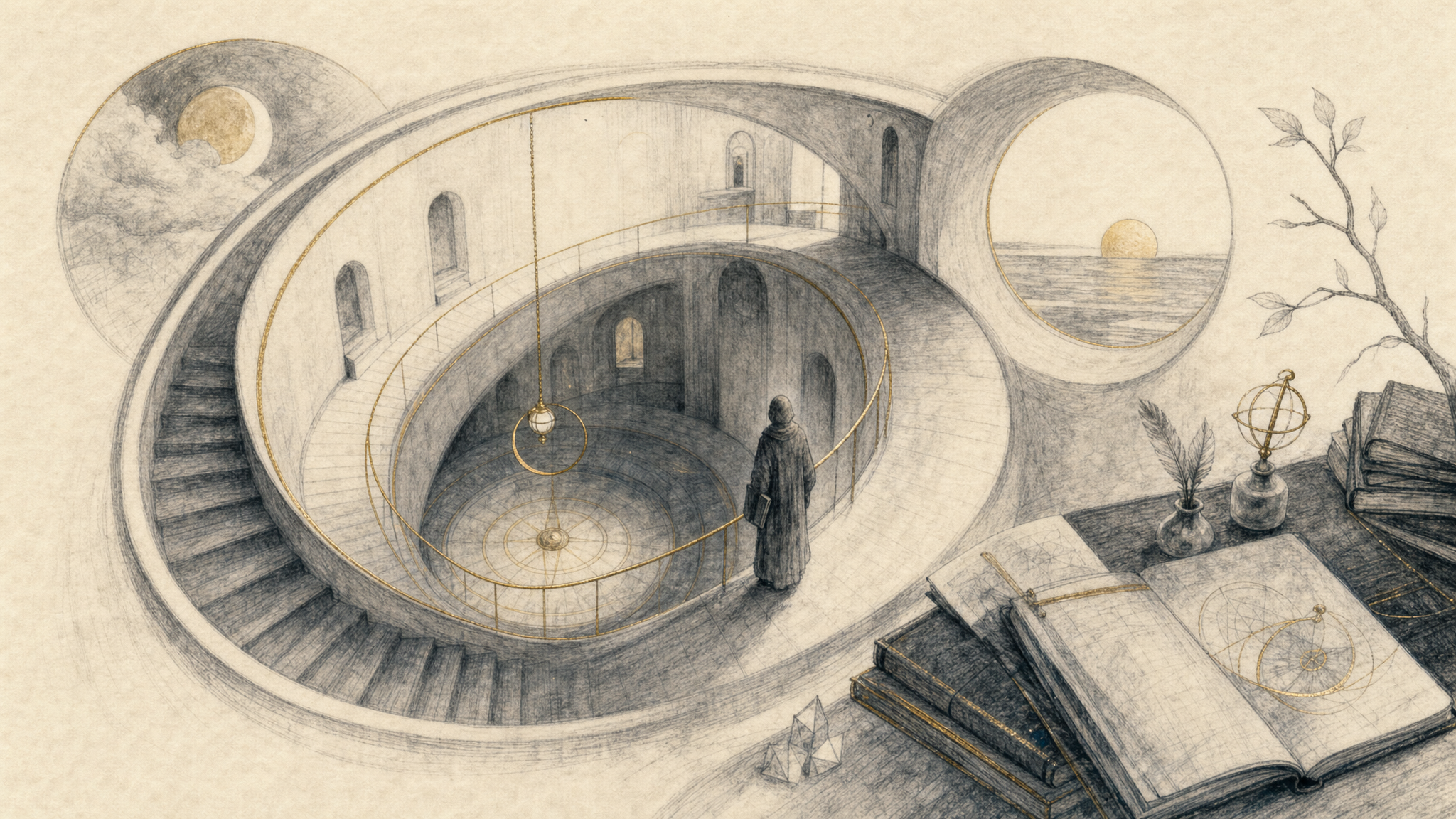
Not a diagnosis
Dream readings here are reflective signals, not medical or psychological diagnoses. One symbol does not prove what you want, fear, or must do next. Use the angles below as starting points, then run the dream signal test for your own scene.
Quick answer
Recurring dreams often spike under stress and fade when the underlying need is met. They are less about a fixed symbol and more about a repeated emotional script: unprepared, trapped, chased, late, or exposed. Change the ending in waking imagination, then address the real-life parallel.
What people usually describe
Exam failure, being chased, teeth breaking, missing transport, or returning to an old home. The plot may be identical or vary slightly while the feeling stays the same. Frequency can rise during burnout, grief, or major transitions.
Scenario A: the classic exam or unprepared dream
You arrive without notes or cannot find the room. Waking feeling is incompetence or panic. This often tracks a competence need frustrated in waking life: a new role, public scrutiny, or standards you cannot meet yet. The dream is not predicting failure. It is rehearsing fear of exposure.
Scenario B: chase or paralysis on repeat
You run in slow motion, hide behind doors, or cannot scream. The pursuer may change; the helplessness does not. This pattern often links to autonomy frustration: something needs to be said, decided, or bounded, and the day version keeps getting postponed.
Three reading angles
Stress and fragmented sleep
Stress can make REM more emotionally dense while also waking you before a dream resolves. When integration is cut short, the brain may rerun the same theme on the next night.
Unmet psychological needs
Research on recurring bad dreams ties them to frustrated needs for autonomy, competence, and relatedness. The metaphor matches the need: trapped (autonomy), failing a test (competence), abandoned (relatedness).
Habit loop in sleep
Like waking habits, dreams can follow cue, routine, reward. The cue is daytime stress. The routine is the familiar script. The missing piece is resolution. Waking panic ends the loop before the reward of integration, so the pathway stays charged.
Five practical takeaways
- Write the dream once: capture setting, action, and the feeling that survived waking.
- Rewrite the ending: spend ten minutes daily visualizing a neutral or empowered outcome.
- Map the waking parallel: where did you feel the same emotion this week?
- Shrink one real constraint: send the message, block time, or ask for help on the actual problem.
- Track cessation as progress: when the rerun stops, the integration may be working.
Your dream, your signal
Turn this reading into a Passport signal
Describe your scene, name the feeling that stayed, and hold the question that lingered. The free test returns six reusable dimensions.
Related readings
Pair with late for something dream meaning, being chased, or teeth falling out. Continue at Common dream readings, then Reflect or Passport.